
Products
Our Products
EN590 diesel, petrol, crude oil, bitumen, granular sulphur and urea, supplied as principal on CIF terms.
EN590 Diesel
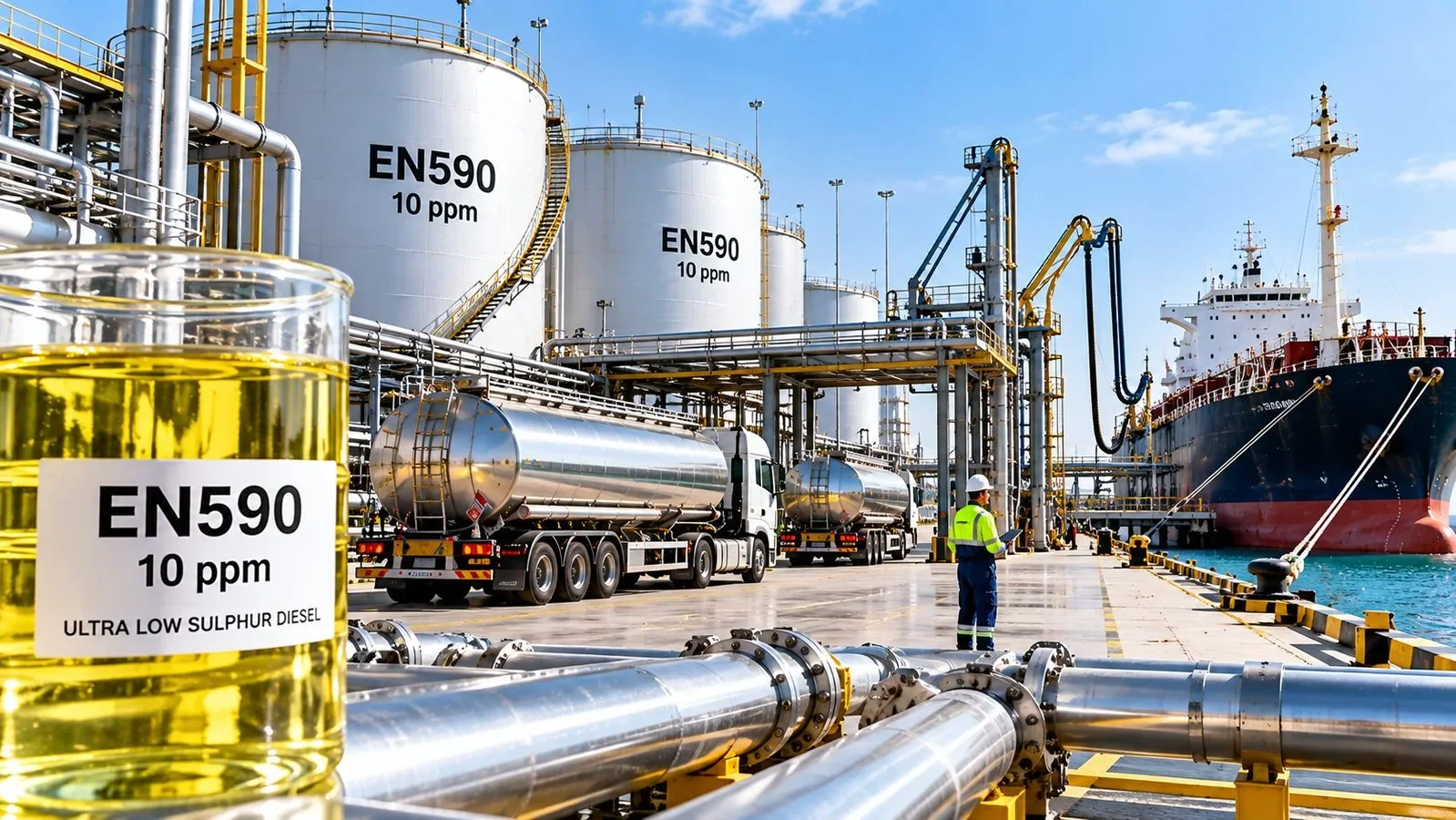
Ultra-low sulphur road diesel, 10ppm.
Petrol
Unleaded petrol to EN 228, RON 91, 95 and 98.

Crude Oil
Crude oil allocations for refiners and traders.
Bitumen
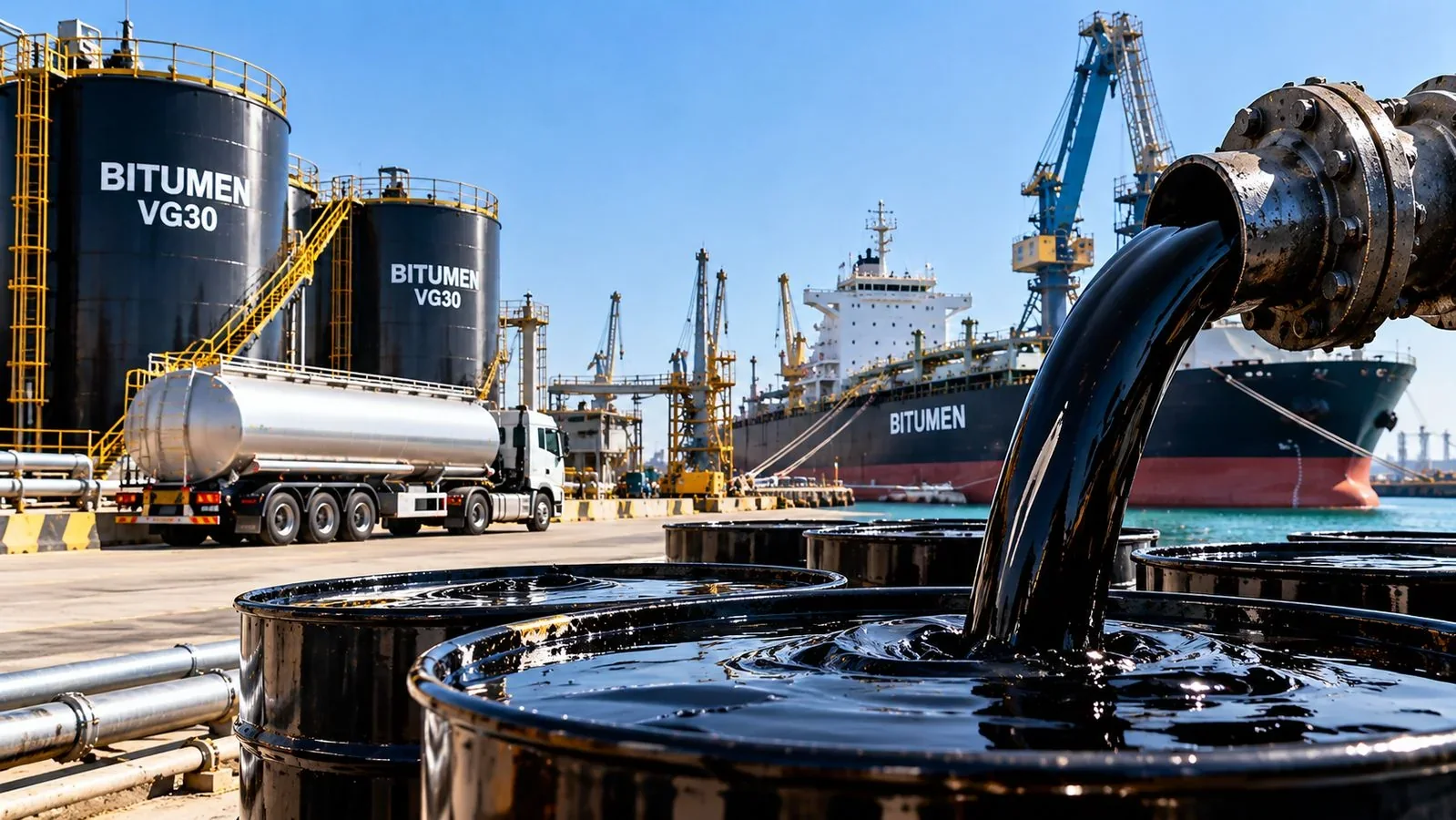
Paving-grade bitumen 60/70, 80/100 and VG30.
Granular Sulphur
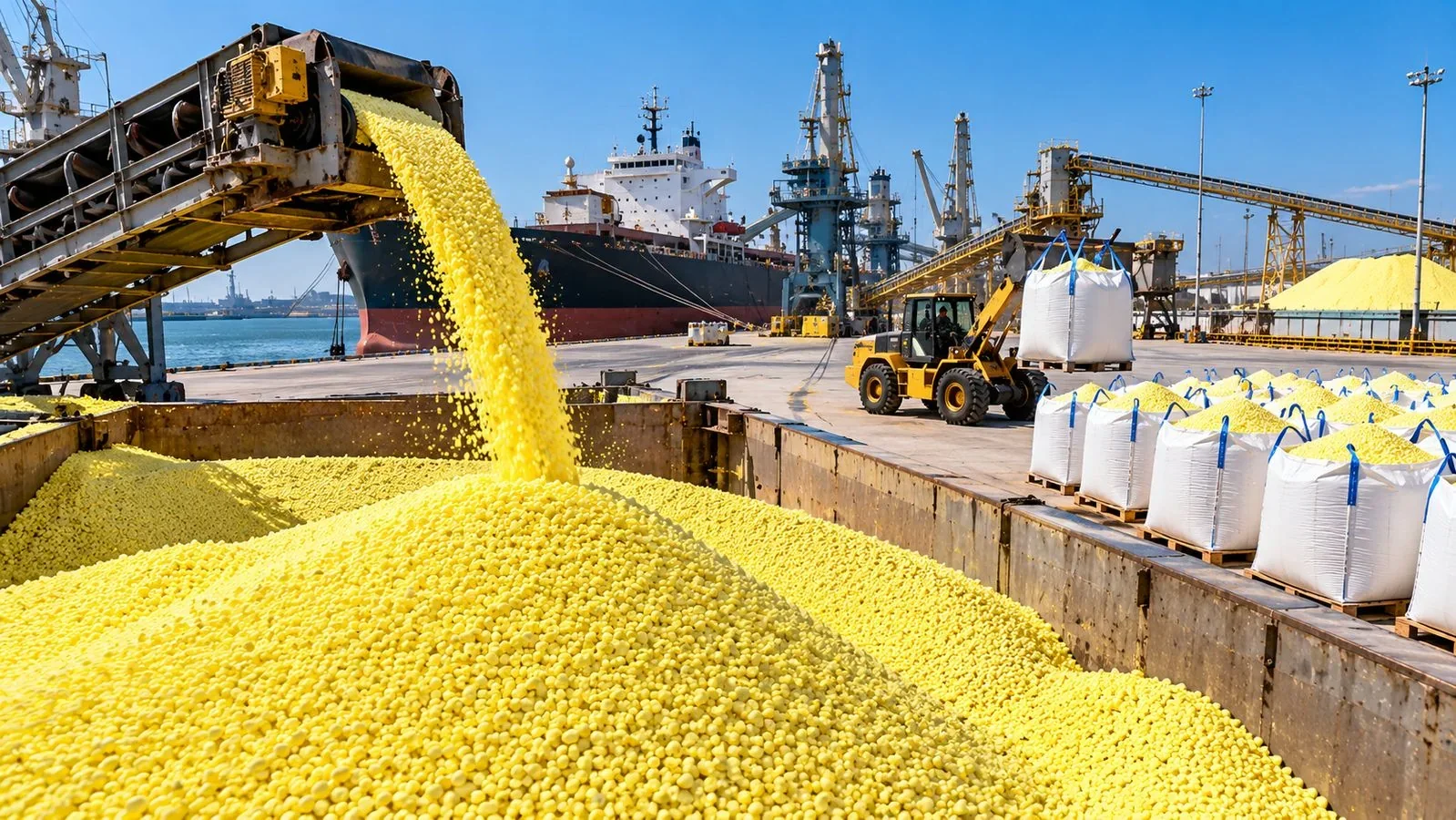
Bright yellow granular sulphur, 99.9% purity.
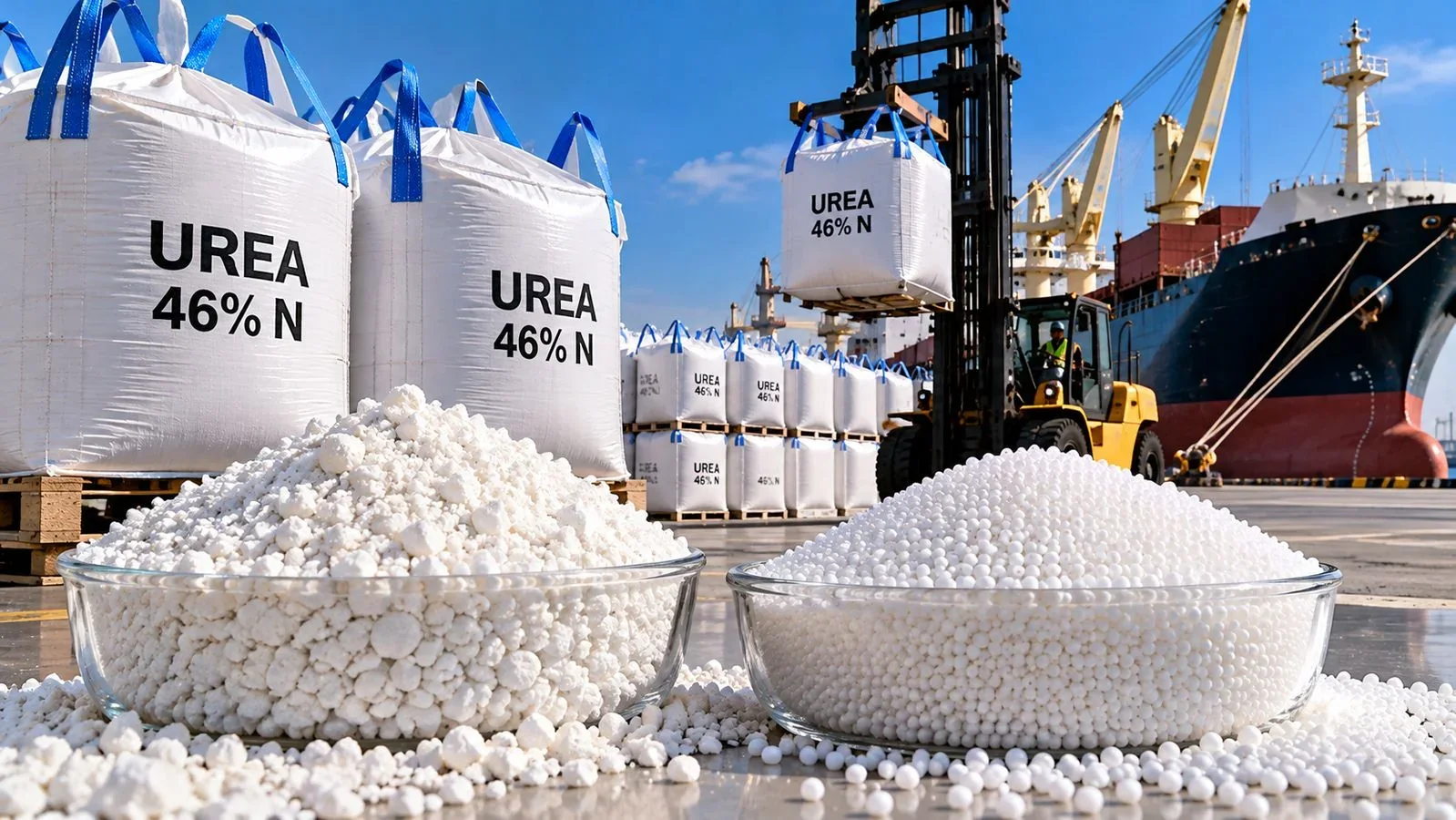
Urea
Prilled and granular urea, 46% nitrogen.
EN590 Diesel
EN590 10ppm diesel, supplied CIF to your port.
Ultra-low sulphur road diesel to the European EN 590 standard, in full cargo parcels.
Overview
EN590 Diesel supplier, priced to your port
EN 590 is the European specification for automotive diesel fuel, and 10ppm is the maximum sulphur content: 10 milligrams per kilogram. It is the diesel that modern engines and exhaust systems are built to run on.
We supply EN590 10ppm diesel to fuel distributors, depots and retail networks that need steady, specification-grade volume. Every cargo is inspected by an independent surveyor at the load port.
Specification
Typical specification
- Standard
- EN 590
- Sulphur
- 10 mg/kg maximum
- Cetane number
- 51 minimum
- Density at 15 °C
- 820 to 845 kg/m³
- Flash point
- Above 55 °C
- Water content
- 200 mg/kg maximum
- Biodiesel (FAME)
- Up to 7% v/v where specified
Typical values for guidance. The agreed specification, tolerance and test method are fixed in the sales and purchase agreement.
Applications
Common applications
- Road transport and haulage fleets
- Retail forecourts and fuel distribution
- Depots and strategic storage
- Construction and mining equipment
- Standby and industrial generators
Supply terms
Packing, delivery and payment
- Delivery
- CIF named discharge port
- Shipment
- Bulk, by product tanker
- Parcel size
- Per contract
- Payment
- MT700 LC or MT760 SBLC
- Inspection
- Independent, at load port
- Law and disputes
- UAE law, DIAC / DIFC
Questions
EN590 Diesel: frequently asked questions
What is EN590 10ppm diesel?
It is automotive diesel that meets the European EN 590 specification with a sulphur ceiling of 10 mg/kg. It is also called ultra-low sulphur diesel.
Can you supply EN590 on CIF terms?
Yes. CIF is our standard basis. The price includes freight and cargo insurance to the discharge port named in your contract.
How is the quality proven?
An independent inspector samples the cargo at the load port and issues certificates of quality and quantity.
Which payment instruments do you accept?
An MT700 documentary letter of credit or an MT760 standby letter of credit, issued by a bank acceptable to us.
Petrol
Unleaded petrol, supplied CIF to your port.
Motor gasoline to EN 228, in RON 91, 95 and 98, delivered in bulk cargo.
Overview
Petrol supplier, priced to your port
Petrol, or motor gasoline, is the fuel behind every forecourt. We supply unleaded petrol to the European EN 228 standard, with the octane grade your market sells.
Our petrol goes to distributors, depots and retail networks. Octane rating, vapour pressure and other limits are written into the contract and proved with an independent certificate.
Specification
Typical specification
- Standard
- EN 228 unleaded
- Octane (RON)
- 91, 95 or 98 by contract
- Sulphur
- 10 mg/kg maximum
- Density at 15 °C
- 720 to 775 kg/m³
- Benzene
- 1.0% v/v maximum
- Ethanol content
- Up to 5% or 10% where specified
Typical values for guidance. The agreed specification, tolerance and test method are fixed in the sales and purchase agreement.
Applications
Common applications
- Retail forecourts and fuel brands
- Fuel distributors and wholesalers
- Depots and terminals
- Fleet and corporate fuel supply
Supply terms
Packing, delivery and payment
- Delivery
- CIF named discharge port
- Shipment
- Bulk, by product tanker
- Parcel size
- Per contract
- Payment
- MT700 LC or MT760 SBLC
- Inspection
- Independent, at load port
- Law and disputes
- UAE law, DIAC / DIFC
Questions
Petrol: frequently asked questions
Which petrol grades do you supply?
Unleaded petrol to EN 228 in RON 91, 95 and 98, according to the grade your market requires.
Is the petrol supplied in bulk?
Yes. Petrol is shipped in bulk by product tanker to the discharge port named in the contract.
How do I get a price?
Send the grade, quantity, discharge port and timing through the contact page and the desk will reply with indicative terms.
How is payment secured?
By an MT700 letter of credit or an MT760 standby letter of credit agreed in the contract.
Crude Oil
Crude oil allocations, reviewed one by one.
Crude oil for refining and onward sale, with grade, quality and logistics agreed before any offer.
Overview
Crude Oil supplier, priced to your port
Crude oil is where every cargo begins. We review each allocation on its own merits: the grade, the assay, the origin, the loading port and the vessel.
We work with refiners and traders who need a documented, financeable crude cargo and a counterparty that can stand behind it.
Specification
Typical specification
- Grade
- Per allocation
- API gravity
- Per assay
- Sulphur content
- Per assay
- Water and sediment
- Per contract limit
- Salt content
- Per contract limit
- Documents
- Assay, certificate of origin, quality and quantity
Typical values for guidance. The agreed specification, tolerance and test method are fixed in the sales and purchase agreement.
Applications
Common applications
- Refinery feedstock
- Onward sale to refiners and traders
- Processing arrangements
- Storage and blending
Supply terms
Packing, delivery and payment
- Delivery
- CIF or FOB, per allocation
- Shipment
- Bulk, by crude tanker
- Parcel size
- Per allocation
- Payment
- MT700 LC or MT760 SBLC
- Inspection
- Independent, at load port
- Law and disputes
- UAE law, DIAC / DIFC
Questions
Crude Oil: frequently asked questions
Which crude oil grades do you offer?
Grades depend on the allocation. Send your refinery requirements and the desk will tell you what is available.
How do you assess an allocation?
We review the assay, origin, loading port, vessel and documents before an offer is made.
What documents come with the cargo?
Assay, certificate of origin, certificates of quality and quantity, bill of lading and insurance where the terms call for it.
Is crude sold CIF or FOB?
Either, according to the allocation. The terms are set out in the contract.
Bitumen
Bitumen 60/70, 80/100 and VG30, in bulk or drums.
Paving-grade bitumen for roads, airfields and infrastructure, shipped to suit the project.
Overview
Bitumen supplier, priced to your port
Bitumen holds the roads of a country together. We supply penetration-grade bitumen to the grades road authorities and contractors specify, in heated bulk or in new steel drums.
Penetration grades 60/70 and 80/100, and viscosity grade VG30, cover most paving work. Penetration, softening point and flash point are certified before the vessel sails.
Specification
Typical specification
- Grades
- 60/70, 80/100 penetration; VG30 viscosity grade
- Standards
- EN 12591 / ASTM D946 / IS 73
- Softening point, 60/70
- 46 to 54 °C
- Flash point
- 230 °C minimum
- Solubility
- 99.0% minimum
- Appearance
- Black, homogeneous
Typical values for guidance. The agreed specification, tolerance and test method are fixed in the sales and purchase agreement.
Applications
Common applications
- Road construction and resurfacing
- Airfield runways and taxiways
- Highway and bridge works
- Industrial and port paving
Supply terms
Packing, delivery and payment
- Delivery
- CIF named discharge port
- Packing
- Heated bulk or new steel drums
- Shipment
- Bitumen carrier or containers
- Payment
- MT700 LC or MT760 SBLC
- Inspection
- Independent, at load port
- Law and disputes
- UAE law, DIAC / DIFC
Questions
Bitumen: frequently asked questions
What is the difference between 60/70 and 80/100 bitumen?
The numbers are the penetration range. 60/70 is harder and suits warmer climates and heavy traffic. 80/100 is softer and suits cooler conditions.
Is bitumen supplied in bulk or drums?
Both. Bulk is shipped heated for large projects. Drums suit smaller volumes and ports without bulk bitumen handling.
Which standard does the bitumen meet?
Paving-grade bitumen to EN 12591 or ASTM D946, as the contract states.
How is the cargo inspected?
An independent inspector certifies penetration, softening point and flash point at the load port.
Granular Sulphur
Granular sulphur, 99.9% pure, shipped in bulk.
Bright yellow granular sulphur for fertiliser, chemical and metallurgical buyers.
Overview
Granular Sulphur supplier, priced to your port
Sulphur is the raw material behind sulphuric acid, phosphate fertiliser and a good deal of modern industry. We supply granular sulphur in dust-controlled, free-flowing form, in full bulk cargoes.
Quality is certified at the load port for purity, moisture and ash, and the certificates travel with the shipping documents.
Specification
Typical specification
- Sulphur purity
- 99.9% minimum
- Moisture
- 0.5% maximum
- Ash
- 0.05% maximum
- Acidity (as H₂SO₄)
- 0.003% maximum
- Organic matter
- 0.03% maximum
- Granule size
- 2 to 6 mm typical
- Colour
- Bright yellow
Typical values for guidance. The agreed specification, tolerance and test method are fixed in the sales and purchase agreement.
Applications
Common applications
- Sulphuric acid production
- Phosphate and sulphur fertilisers
- Chemical manufacturing
- Metal leaching and mining
Supply terms
Packing, delivery and payment
- Delivery
- CIF or FOB by agreement
- Shipment
- Bulk, by dry bulk vessel
- Parcel size
- Per contract
- Payment
- MT700 LC or MT760 SBLC
- Inspection
- Independent, at load port
- Law and disputes
- UAE law, DIAC / DIFC
Questions
Granular Sulphur: frequently asked questions
What purity is your granular sulphur?
99.9% minimum, certified by an independent inspector at the load port.
What is granular sulphur used for?
Mainly sulphuric acid and fertiliser production, along with chemical manufacturing and metal leaching.
Is it shipped in bulk or bags?
Normally in bulk by dry bulk vessel. Bagged shipment can be arranged on request.
Do you offer CIF and FOB?
Yes, by agreement. CIF includes freight and insurance to the discharge port; FOB ends at the load port.
Urea
Urea 46%, granular and prilled.
The world’s most used nitrogen fertiliser, supplied in bulk or bags.
Overview
Urea supplier, priced to your port
Urea carries 46% nitrogen, the highest of the common solid fertilisers, which is why importers and farmers rely on it. We supply both granular and prilled urea.
Granular urea is harder and suits bulk blending and long storage. Prilled urea is smaller and widely used in agriculture. Both are certified at the load port.
Specification
Typical specification
- Nitrogen (N)
- 46% minimum
- Biuret
- 1.0% maximum
- Moisture
- 0.5% maximum
- Granular size
- 2 to 4 mm, 90% minimum
- Prilled size
- 1 to 2.8 mm
- Appearance
- White, free-flowing
- Grade
- Agricultural; technical on request
Typical values for guidance. The agreed specification, tolerance and test method are fixed in the sales and purchase agreement.
Applications
Common applications
- Agricultural nitrogen fertiliser
- Fertiliser blending and distribution
- Technical-grade industrial uses
- Resins and adhesives manufacture
Supply terms
Packing, delivery and payment
- Delivery
- CIF or FOB by agreement
- Packing
- Bulk or 50 kg bags
- Shipment
- Dry bulk vessel or containers
- Payment
- MT700 LC or MT760 SBLC
- Inspection
- Independent, at load port
- Law and disputes
- UAE law, DIAC / DIFC
Questions
Urea: frequently asked questions
What is the nitrogen content of your urea?
46% minimum, certified by an independent inspector.
What is the difference between granular and prilled urea?
Granular urea is harder and larger, and suits bulk handling and blending. Prilled urea is smaller and lighter. The contract states which is supplied.
Is urea supplied in bags?
Yes. Bulk and 50 kg bags are both available, depending on the cargo and the discharge port.
Do you supply technical-grade urea?
On request, for industrial uses. Agricultural grade is the standard offer.
Why Jackson
Why buyers work with Jackson Oil & Gas
One counterparty
We trade as principal, so you deal with the party that owns the cargo and stands behind the contract.
Certified quality
An independent inspector certifies quality and quantity at the load port, and the certificates travel with the documents.
Secured payment
Every cargo is backed by an MT700 letter of credit or an MT760 standby letter of credit, agreed in the contract.
Request a quotation
Send the product, quantity, discharge port and delivery window. The trading desk replies with a formal offer after counterparty checks.